
Extraction gets your freight documents through the first mile.
Then you get out and push.
Carrier invoices, BOLs, PODs, rate confirmations — extracting data is the easy part. The last mile is where freight operations break down. Now there's an AI-native platform that goes all the way.
After the scan
Where freight automation stalls
Your freight documents get extracted. The data comes off the BOL, the POD, the rate-con, the carrier invoice. That part works. What happens next is where the cost lives — in the manual reconciliation, the stalled exceptions, the tools that don't talk to each other, and the audit trails that don't exist. That's the last mile of freight automation, and right now, your team is stuck in manual.
Overcharges
Overcharges hiding in every batch.
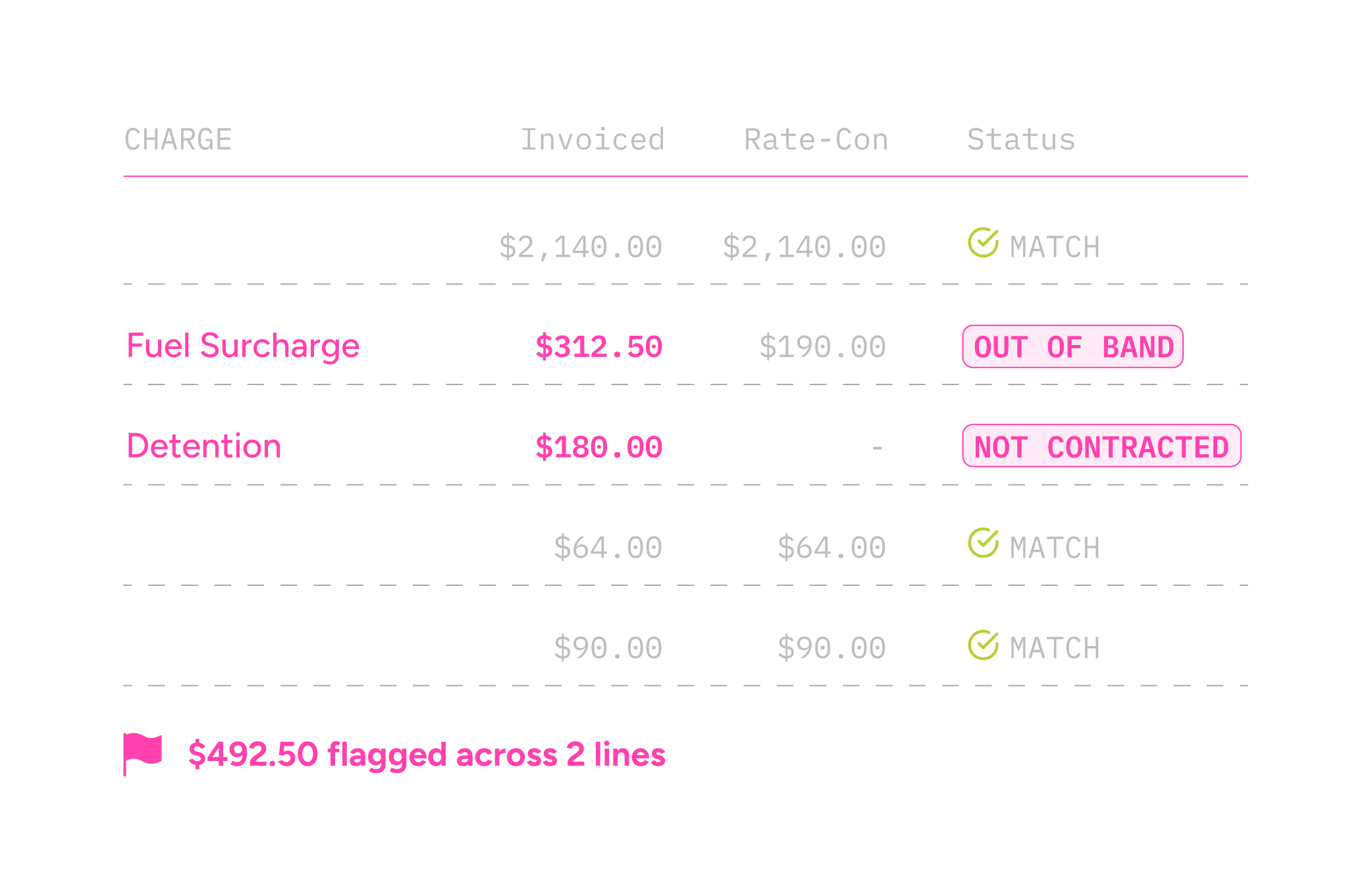
Every carrier invoice needs to be reconciled against the rate-con and proof of delivery. Line by line, shipment by shipment. Accessorial charges that weren't contracted, fuel surcharges outside the agreed band, weight discrepancies that compound across hundreds of shipments. Left unchecked, discrepancies like these can quietly drain 1.5–3% of total freight spend.
No common language
Accessorial codes with no common language.
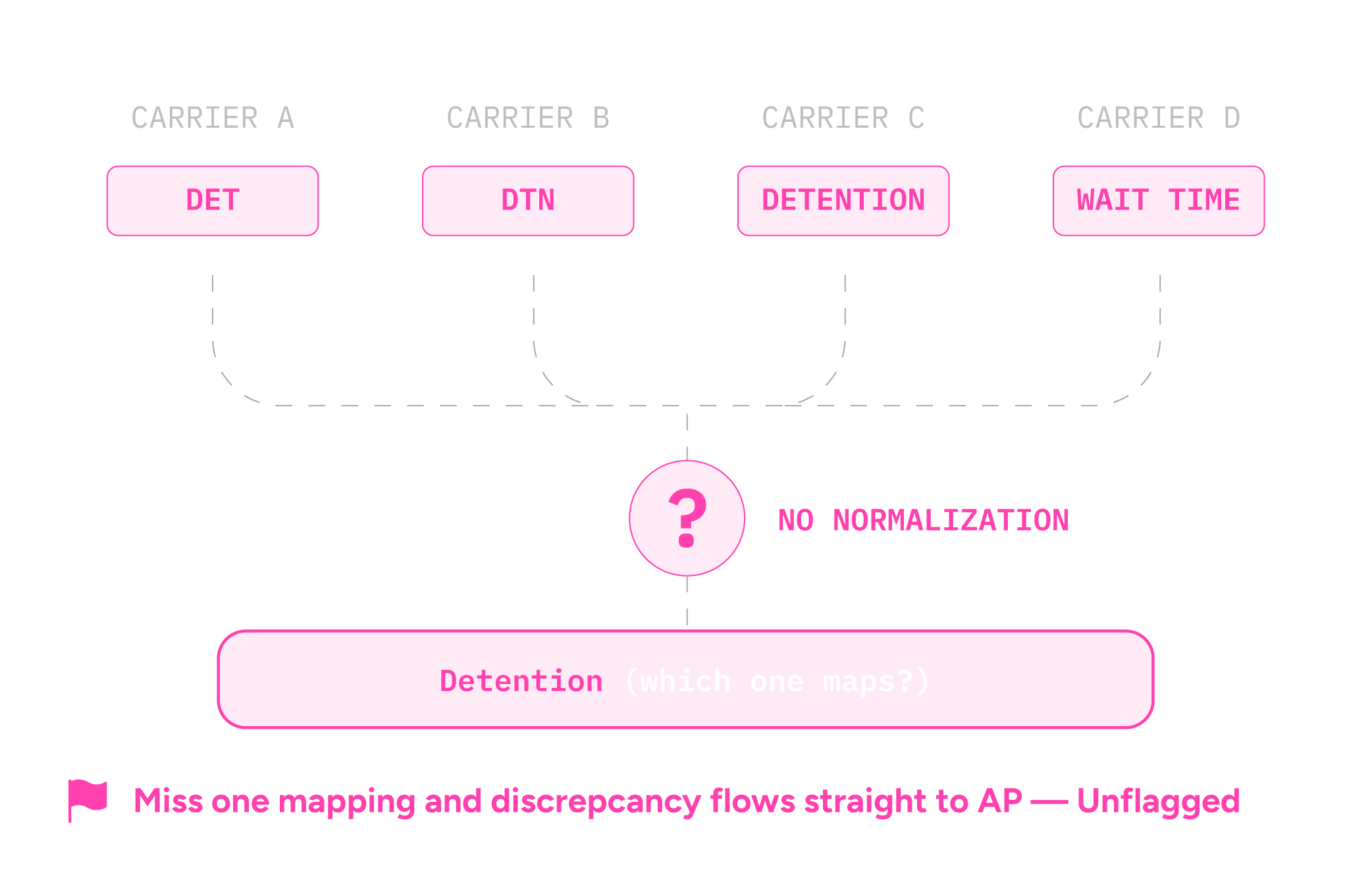
Every carrier formats them differently. DET, DTN, DETENTION, WAIT TIME — same charge, four codes. Without AI-Powered normalization, your team is translating carrier by carrier, invoice by invoice. Miss one mapping and the discrepancy flows straight through to AP without ever getting flagged.
No owner, no deadline
Exceptions with no owner and no deadline.
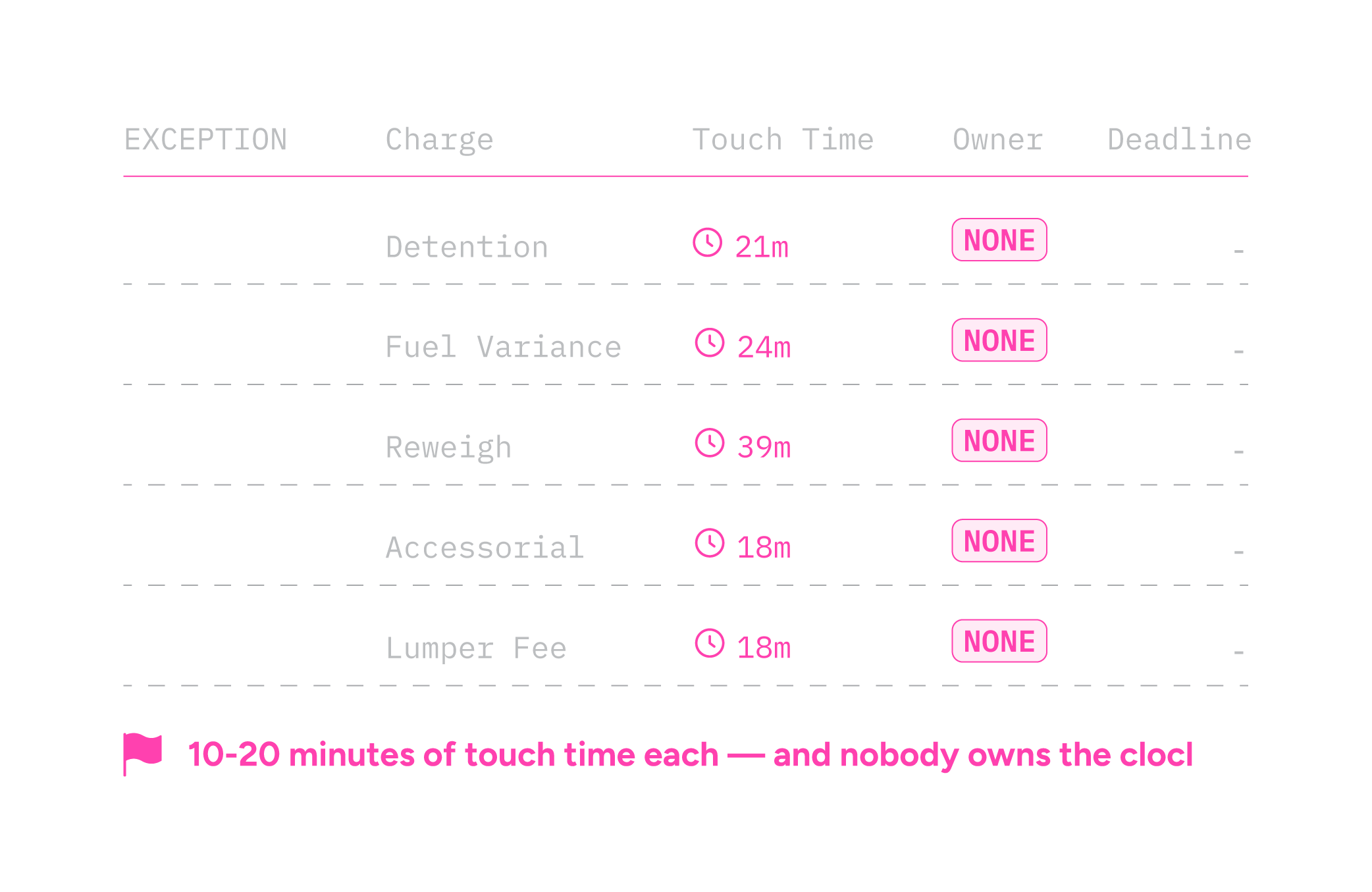
A discrepancy gets flagged, then it waits for someone to check the rate-con, route it to the right approver, and key the correction into the ERP. Each one can burn 10-20 minutes of touch time, and across a week of shipments, you're staffing a team just to manage the gap between extraction and posting.
No trail
Five tools, no trail.
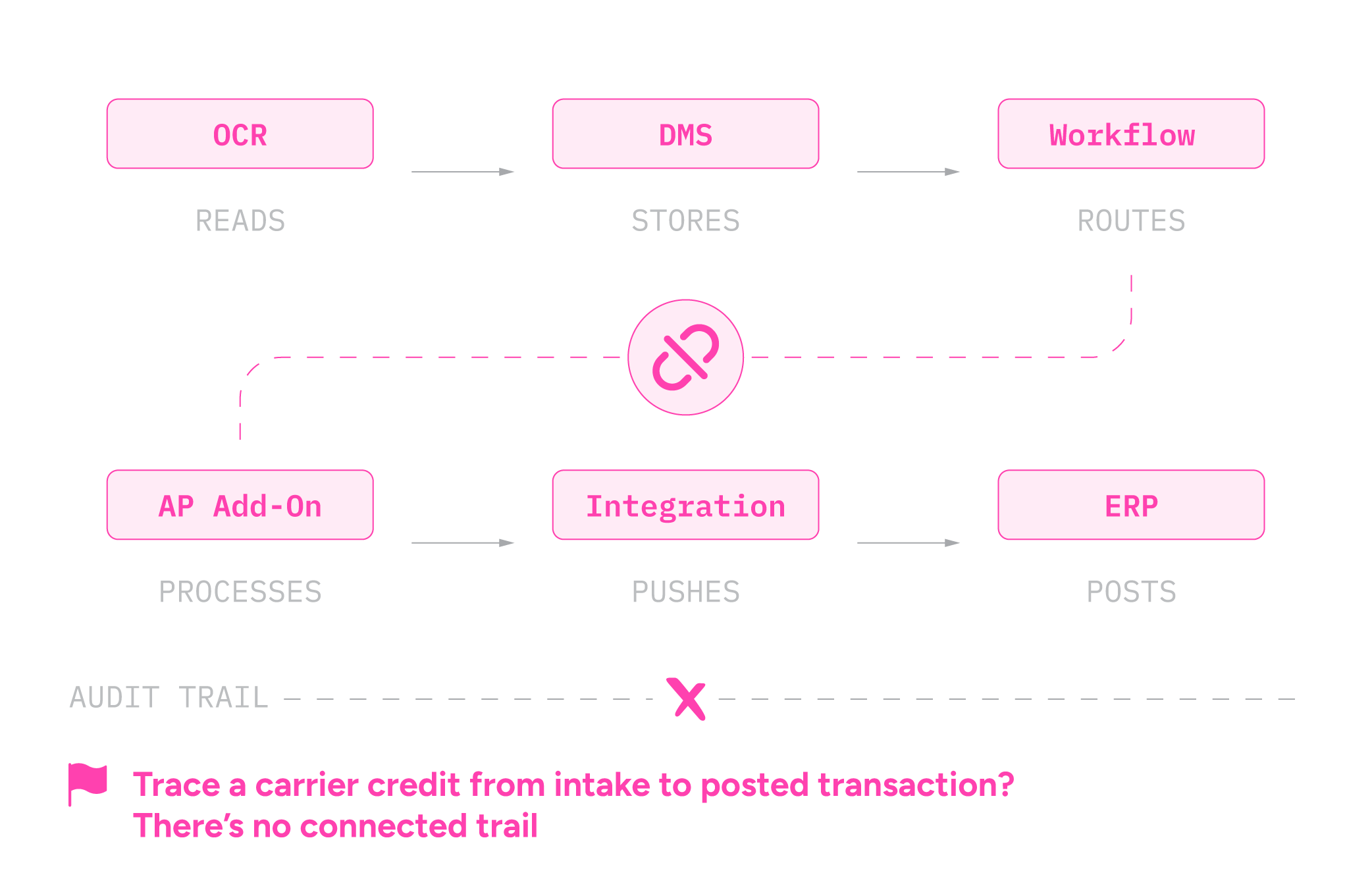
An OCR tool reads the document. A DMS stores it. A workflow engine routes it. An AP add-on processes it. Custom integration pushes it into the ERP. When your auditor asks to trace a carrier credit from intake to posted transaction, there's no connected trail. There never was.
One platform, from scan to ERP
Finish the last mile with Nextworld
Extraction, reconciliation, exception handling, verified posting, and a connected audit trail — AI-powered, one platform, not five.
.png)
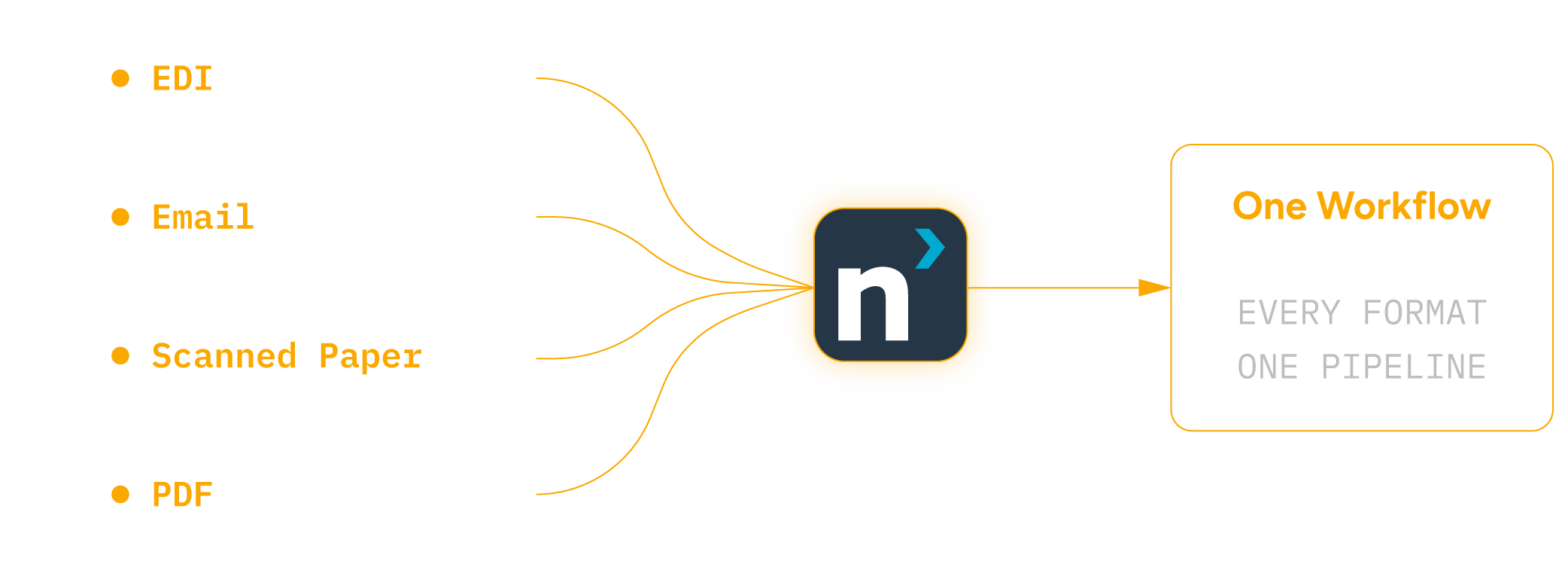
01 — Intake
Every channel, one pipeline
Custom EDI mappings, handwritten BOLs, emailed PDFs, manual uploads — however freight documents arrive, they feed one workflow. No separate processes by format. Your carriers shouldn't have to standardize their paperwork for your automation to work.
02 — Reconcile
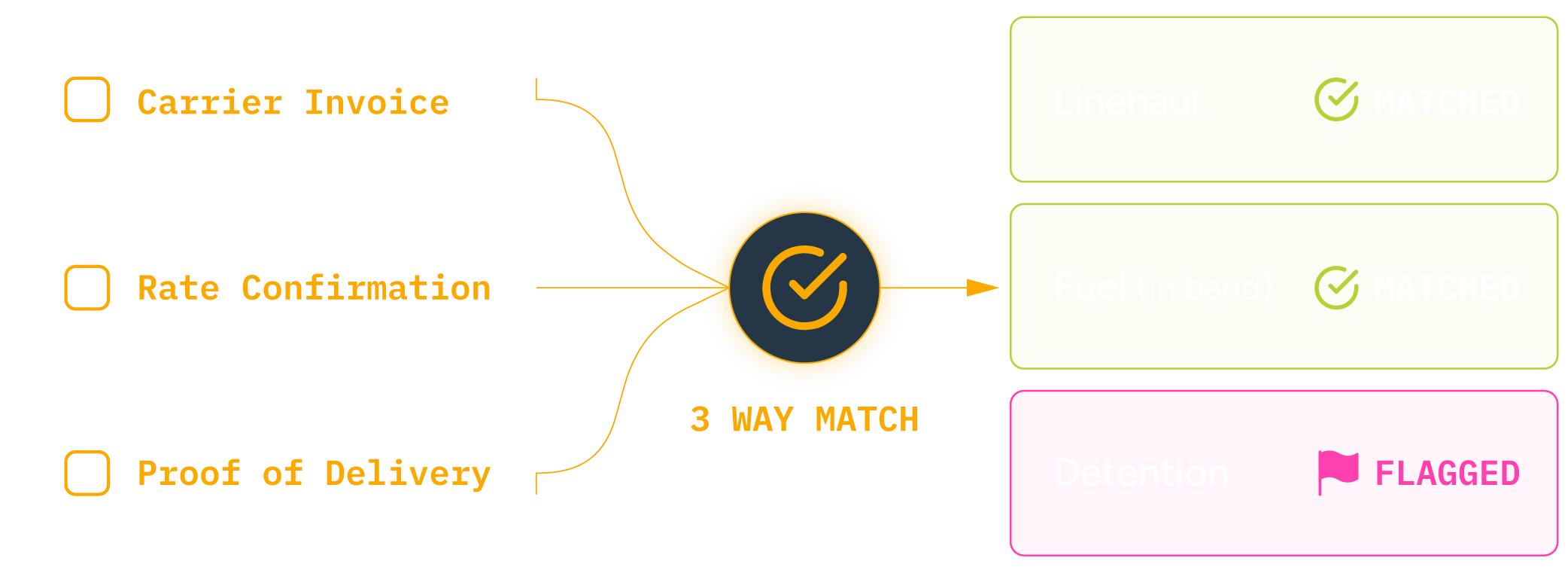
3-way freight match
Reconcile the carrier’s invoice against the rate-con and proof of delivery automatically. Accessorial charges, fuel surcharges, weight discrepancies — validated line by line before anything posts. Freight matching isn’t a standard AP match. It’s a reconciliation across a contract, an event log, and a bill. Nextworld AI handles the interpretation. Your team handles the exceptions.
03 — Resolve
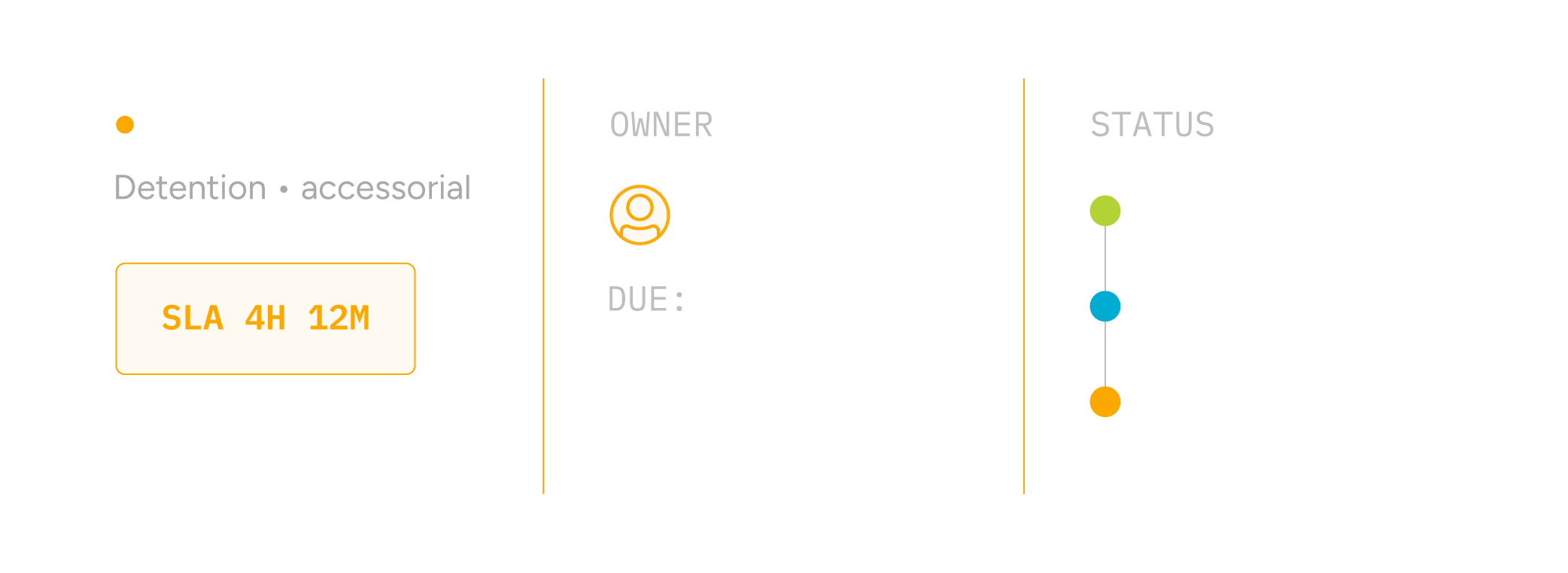
Exceptions with owners
When a document fails validation, it doesn’t disappear into a queue without accountability. It lands in an AI-assisted workflow with an assigned owner, a deadline, and SLA tracking. Escalation logic routes unresolved items before they age out. Every approval, rejection, escalation, and override is captured.
04 — Post
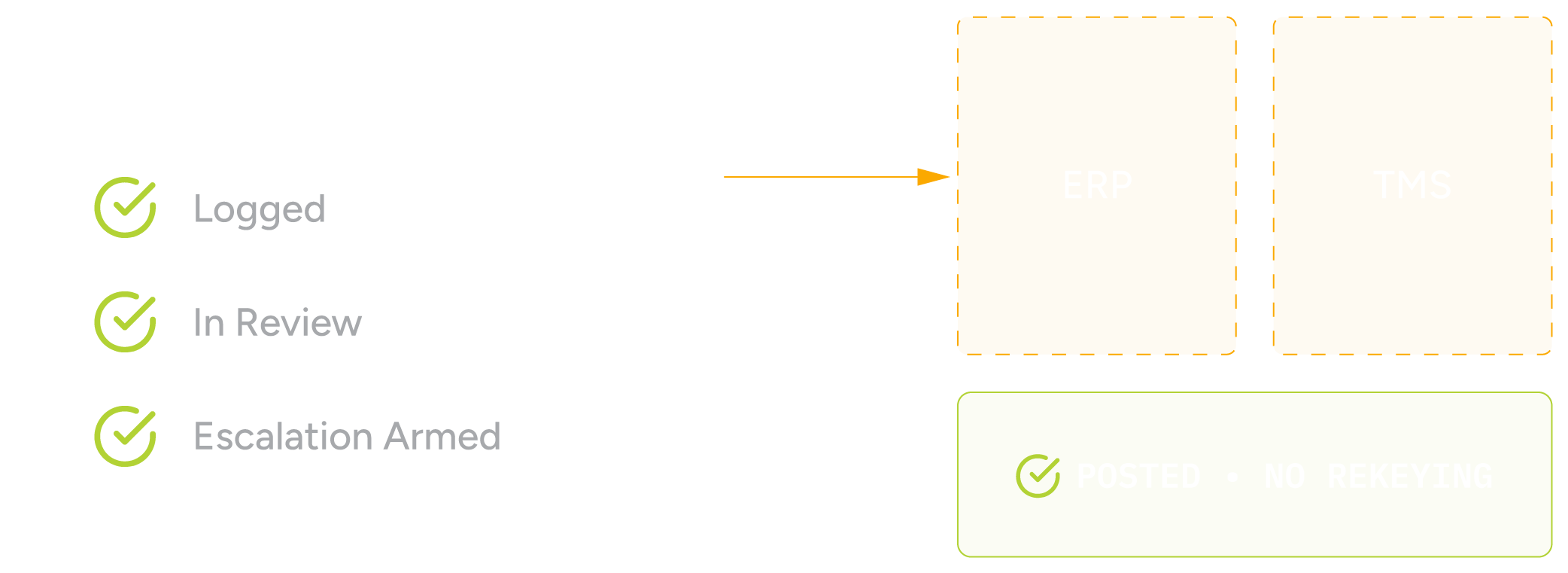
Verified posting to your ERP and TMS
Extracted data doesn’t touch your financial system until it’s been validated against master data — carrier records, GL codes, lane-level cost allocations. Nextworld connects to your existing ERP and TMS so verified transactions post directly, without middleware or rekeying.
05 — Prove it
One audit trail. Every step.
From document intake to posted transaction, every action is captured at the field level. Who extracted the data, what was flagged, how the exception was resolved, who approved the posting. When your auditor asks how a carrier credit was authorized, the answer takes seconds.
.png)
the platform in action
Try an interactive walkthrough
Walk a real carrier invoice from intake to posted transaction — match, exception, approval, and audit trail, click by click.
Get Started
Put your freight automation in drive
See how Nextworld takes carrier invoices, BOLs, PODs, and rate confirmations from intake to a verified, posted ERP transaction — reconciliation, exception handling, approvals, and audit trail on one platform.
